

The minute-by-minute thinking that beats the algorithm
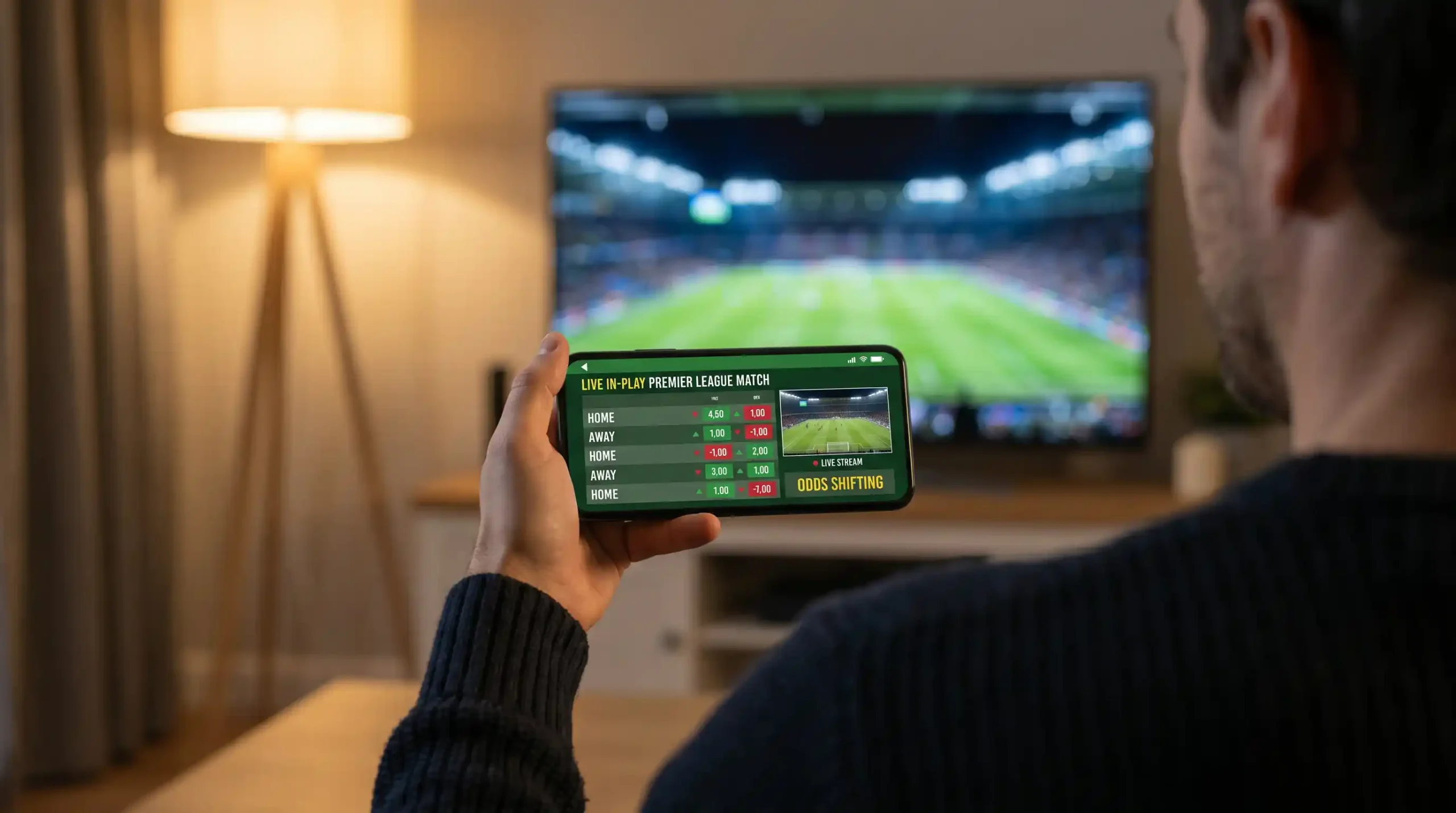
I was watching a Premier League fixture in 2022. Favourite home side 1-0 up at half-time after a fluky deflection. The in-play model had them at 1/3 to win the match. I’d watched the half and seen the opposite — the favourite was being outplayed, sitting deep, lucky to be ahead. By the 65th minute the model still had them at 2/5. The match ended 1-2 to the away side.
Moments like that are why in-play betting exists as a competitive market. The pricing model can’t watch the football. It sees shots, possession, expected goals, and score state, but it doesn’t see tactical setup or what’s actually happening to the favourite’s spine in central midfield. The punter watching the match has information the model doesn’t have — and live football betting is the only market that rewards that asymmetry consistently.
How in-play prices get updated
Operators run live football prices through a real-time model that updates with every major event. Goals trigger immediate re-pricing. Red cards trigger immediate re-pricing. Shots, corners, and substitutions feed into rolling expected-goals updates that recompute every 30-90 seconds.
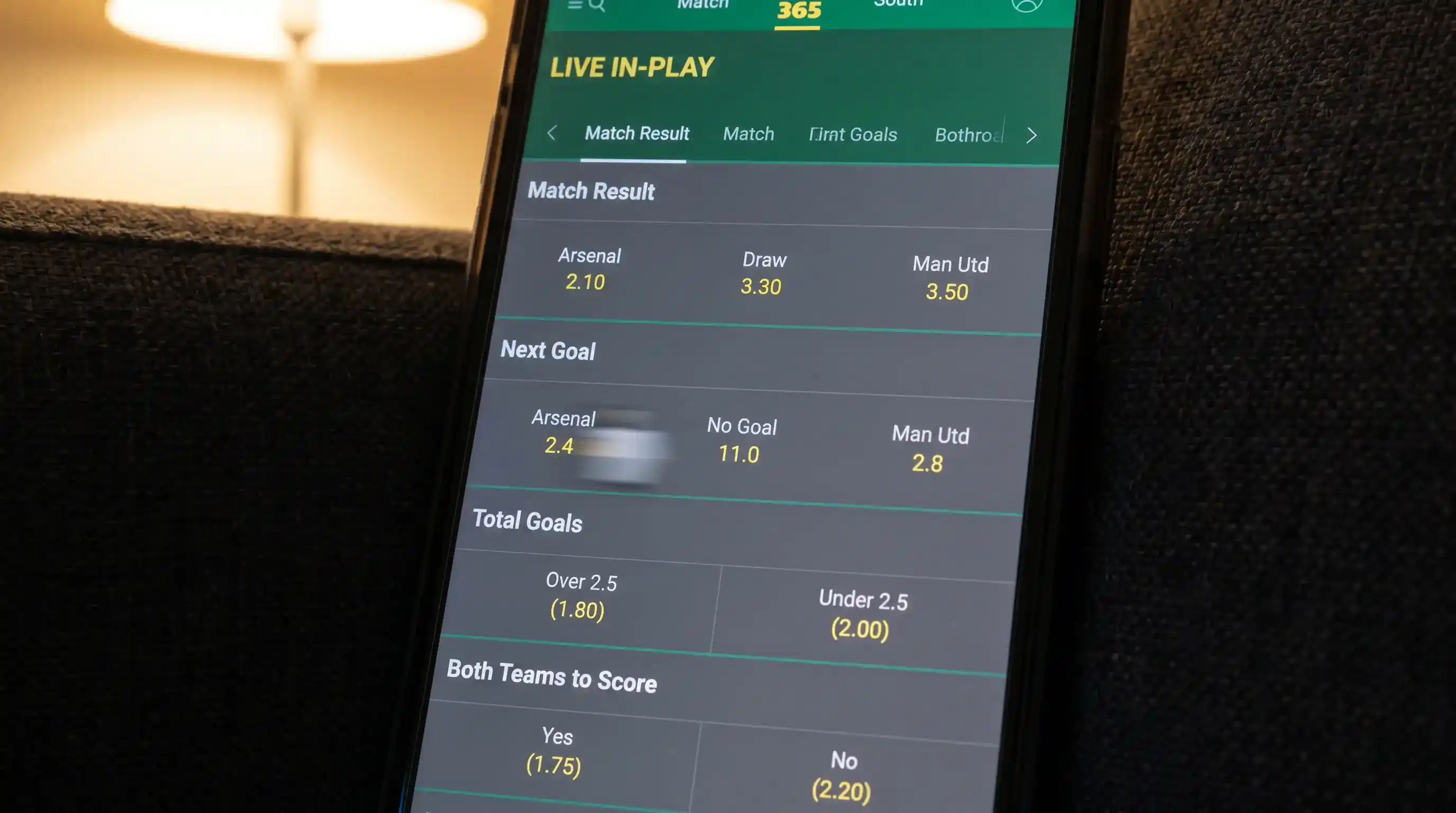
The model inputs are extensive but constrained. Live in-play models typically use minute-of-match, scoreline, red cards, shots taken, shots on target, corners, possession share, and expected goals accumulated. They don’t use tactical formation analysis, individual player condition assessments, or referee management style. The model is good but it’s not watching the football.
UK gambling reported that live football betting reached around 5% of adults — and 9% of men — in the most recent participation survey. That’s a significant volume base, and operators compete for it by running models tighter than they would on smaller markets. In-play overrounds typically run 104-107% on major Premier League fixtures, against 110%+ on minor in-play prop markets where competitive pressure is lower.
The momentum trap and what it actually means
Retail in-play punters talk about “momentum” as if it’s a meaningful predictor. A team that’s just scored has the momentum. A team pushing for an equaliser has the momentum. The team that’s just won a corner has the momentum.
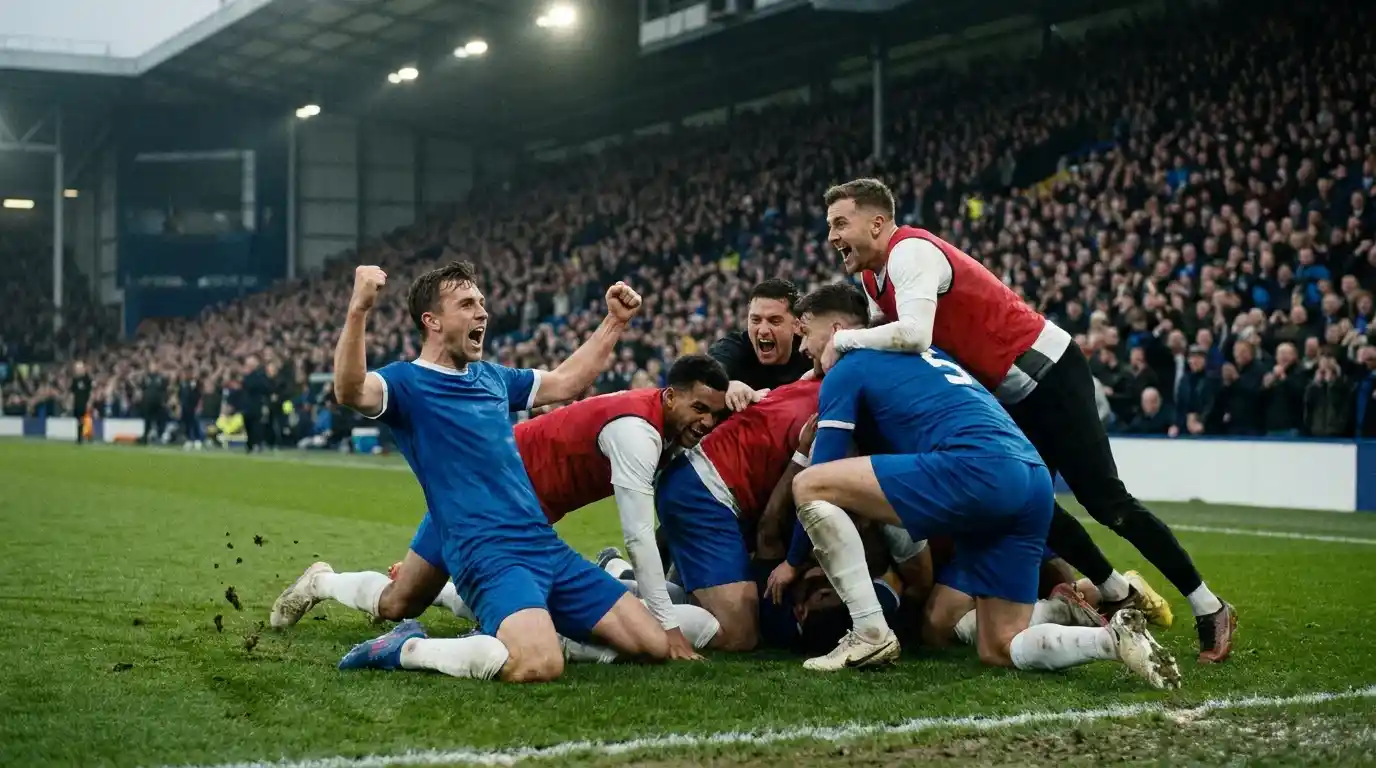
Momentum is mostly a fiction in football pricing terms. The team that just scored has slightly elevated probability of scoring again in the next 5 minutes, partly because they’re psychologically up and partly because the conceding team has shifted out of their defensive shell. But the elevation is modest — perhaps 8-12% above baseline — and it decays quickly. By 15 minutes after a goal, the elevation is gone.
The bookmaker model captures this momentum effect adequately. What it doesn’t capture is the broader tactical picture — has the team that just scored brought on defensive substitutes signalling they’re protecting the lead? Has the conceding team’s manager looked angry on the sideline? Those visual cues live with the punter watching the broadcast, not with the data feed.
Game state and the most-likely outcome shift
The 0-0 in-play market behaves differently from the 1-0 in-play market behaves differently from the 2-1 in-play market. Each game state has its own probability profile for goals scored in remaining time, and the operator’s model has to recalibrate at each transition.
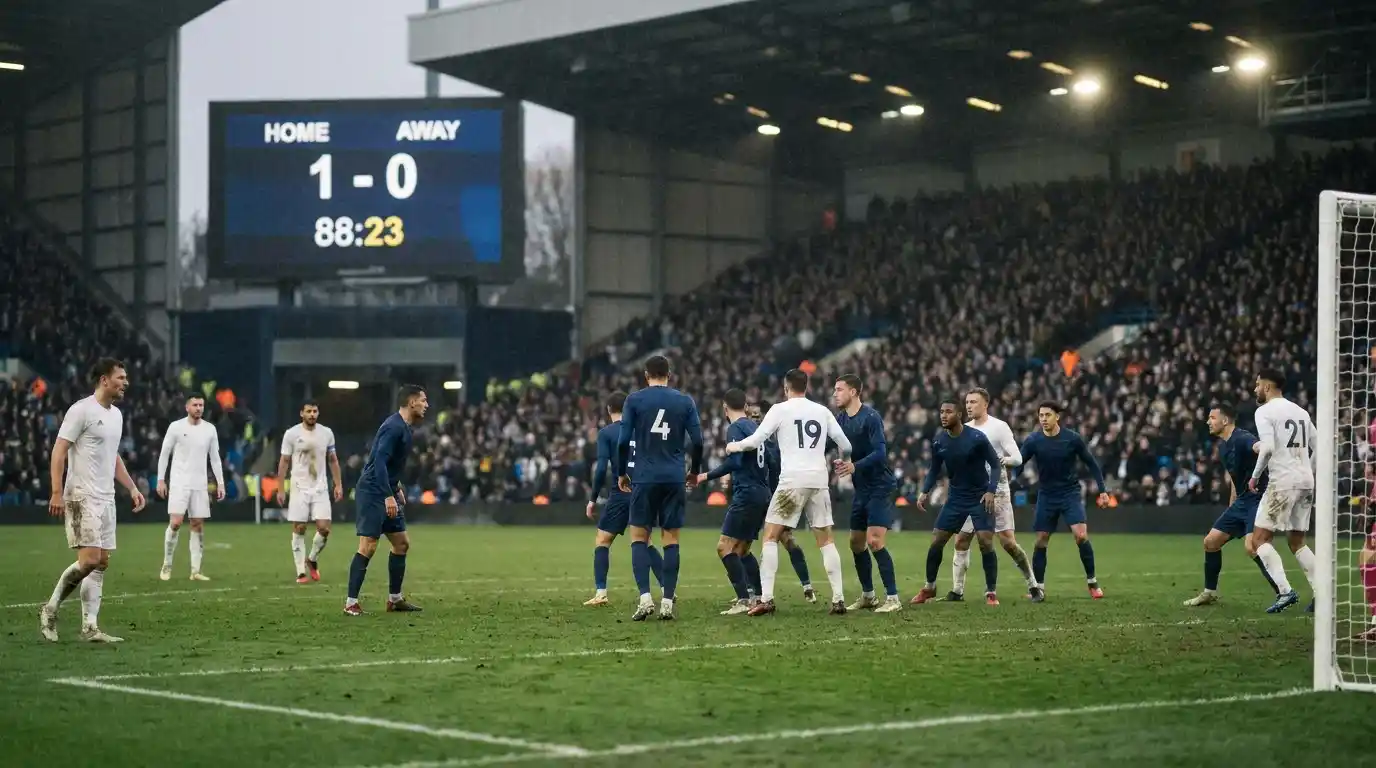
At 0-0 with 60 minutes played, the Poisson model expects about 1.5 goals in the remaining 30 minutes. The over-2.5 live price might be 7/2, implying 22% probability, against a true rate of maybe 25-28%. At 1-0 with 60 minutes played, the remaining-time expected goals climbs slightly — the trailing team pushes, the leading team counter-attacks — to about 1.8 goals. The under-2.5 live price (which would settle if the match ends 1-0) typically becomes 4/5, implying 55%. Actual finish at 1-0 sits around 47%. The under at 4/5 is over-priced in the bookmaker’s favour.
What this tells me is that the operator’s model is sharp on the open scoring states but slightly conservative on the tight late-state markets. The structural micro-edge for the punter is on the openings, not the closings.
Cash-out as an in-play tool, not an exit
Cash-out lets you settle an in-play position before the match ends. The price the operator offers is the current expected value of your wager, minus a 5-10% margin. The cash-out mechanics work the same in-play as they do post-match, but the psychological pressure is much higher because the in-play punter is watching the match and reacting to game state.
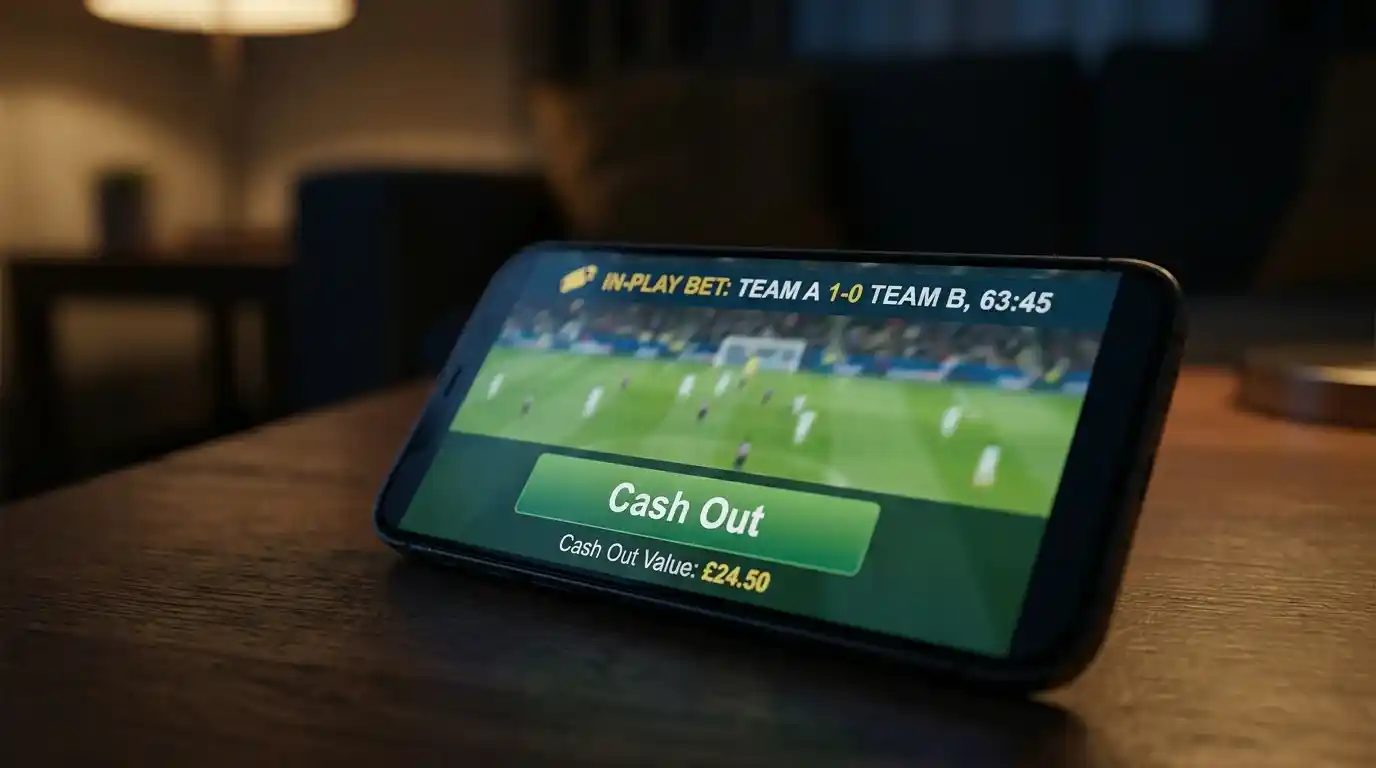
The mistake most retail in-play punters make is treating cash-out as an exit. They cash out winning positions early to lock in gains, and they hold losing positions hoping for a swing. That’s backwards — the operator’s cash-out price is fair on average, which means cashing out winning positions early systematically loses expected value, and holding losing positions ignores the option value of taking 30-50% back rather than zero.
A more disciplined approach: cash out when the underlying view that prompted the bet has changed, regardless of whether the bet is currently winning or losing. If I bet over 2.5 goals based on attacking tactical setups and one team has shut up shop at 1-0 by minute 60, my view has changed. Cash out, regardless of whether the position shows green or red. The original logic for the bet doesn’t apply anymore.
Live streaming and the visual edge
UK operators offer live streaming on a growing share of football fixtures — the entire EFL, Champions League ties, lower-tier European football. The streaming is bundled with the in-play product because operators want punters watching while they bet.

The visual edge from streaming is real if you’re disciplined about how to use it. Watching the match lets you see tactical changes 30-60 seconds before they propagate through the data feed and into the in-play model. A manager bringing on a defensive substitute, a goalkeeper signalling injury concern, a striker visibly limping — these cues arrive on screen before they arrive in the model’s input data.
That visual edge closes fast. By the time the substitution is officially registered, the model has updated. The punter who’s already placed their in-play bet in the 30-60 second window has captured the edge. The punter who’s waited for confirmation has missed it.
The edge isn’t huge — maybe 3-5% expected value on each capture — but it compounds across a season of fixtures. Live streaming on in-play markets is one of the few areas where genuine information asymmetry favours the watching punter over the model.
Late-game pressure and the underdog draw
A consistently under-priced in-play position is the underdog drawing late in a match where they’re trailing by one goal. The model knows the trailing team is more likely to push and that goals get scored late at elevated rates. But the model is conservative on the equaliser probability because retail flow concentrates on the leading team winning.
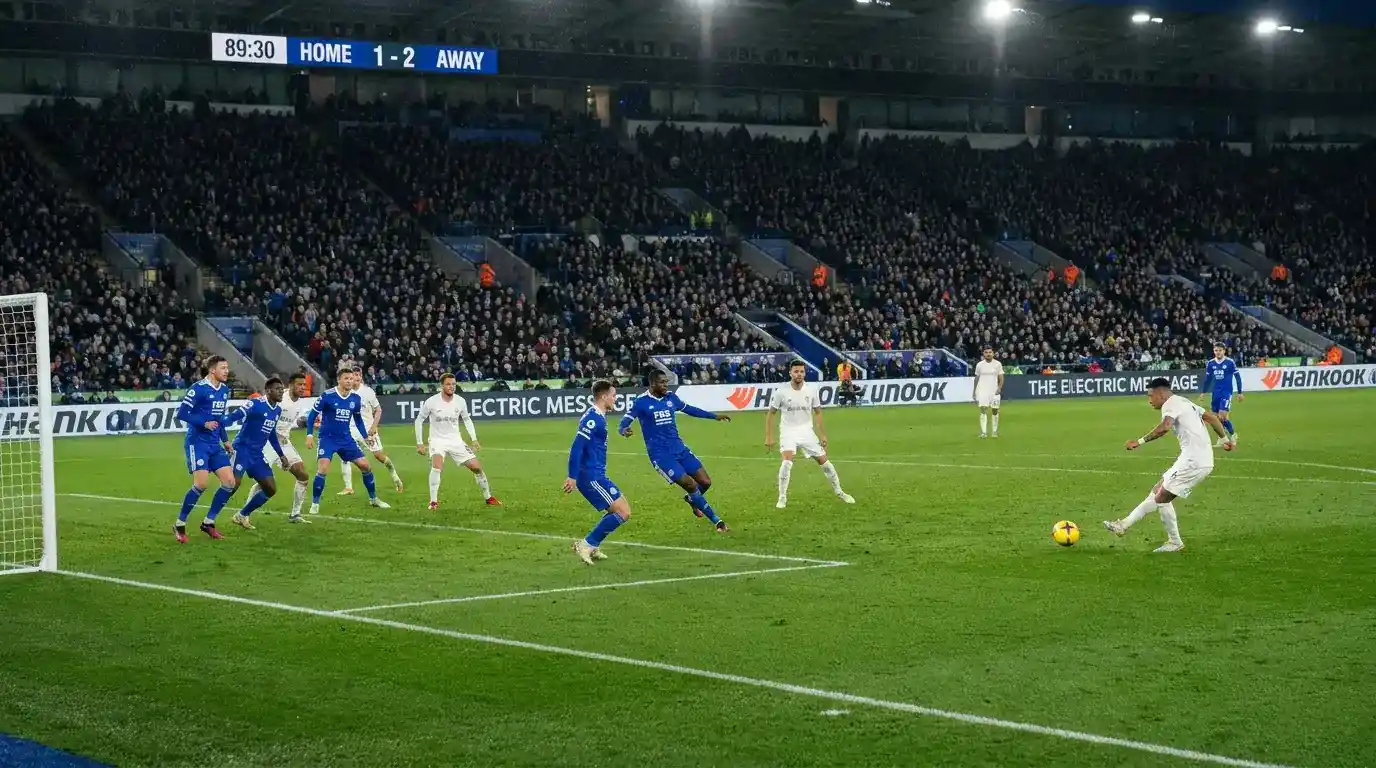
At 1-0 with 75 minutes played, the trailing team draw price might be 3/1, implying 25%. The actual rate of the trailing team getting an equaliser in the remaining 15 minutes is around 18-22% on average across the Premier League, but it’s heavily fixture-dependent. Against a defensive home team that’s parked the bus at 1-0, the rate drops to 10-12%. Against an attacking favourite that’s leading 1-0 but still pressing, the rate climbs to 25-30%.
The price doesn’t always reflect that fixture-specificity. The market sits around 3/1 regardless. That’s where reading the actual tactical setup of the match — what the leading team is doing with substitutions, whether they’re protecting the lead or extending it — pays off. The draw at 3/1 is sometimes good value and sometimes terrible value, depending on the visual evidence on screen.
What in-play rewards in 2026
Speed, patience, and discipline. Speed to capture the 30-60 second windows when game state has changed but the model hasn’t fully updated. Patience to wait for those windows rather than chasing every priced market. Discipline to apply the same betting framework you’d apply pre-match — value-based selection, controlled stake sizing, exit when the underlying view has changed.
The market is fast and the volume is huge. UK gambling reported 24.4M active accounts across the licensed market, and a meaningful share of those accounts touch in-play football betting weekly. The competitive pressure on operators is real, which keeps in-play overrounds tight at 104-107% on major fixtures. The market is efficient by retail standards, but it’s still a market with information asymmetries that can be exploited by the punter who’s watching the football, not just watching the prices.
It depends on how you use it. In-play has shorter pricing windows and rewards speed and pattern recognition. Pre-match rewards research and patience. Punters who profit in-play tend to also profit pre-match — the discipline transfers. Punters who chase in-play hoping for fast wins typically lose faster than they would pre-match. Because the bookmaker model captures the general elevation of late-game scoring rates but is conservative on fixture-specific tactical reads. A favourite leading 1-0 with 75 minutes played might still see an equaliser at 25-30% true probability against a 3/1 price implying 25%. The visual evidence — substitutions, tempo, manager body language — distinguishes the value spots from the traps. Generally no. The operator"s cash-out price is fair on average minus a 5-10% margin, which means cashing out winning positions early systematically loses expected value. The exception is when your underlying betting view has changed — if the tactical situation has shifted away from what you bet on, cash out regardless of whether the position is green or red.Is in-play more profitable than pre-match betting?
Why is the trailing team"s late-equaliser price sometimes mis-priced?
Should I cash out winning in-play positions early?
This material was created by the Pitchledger team.
