


The third round morning that changed how I price cup ties
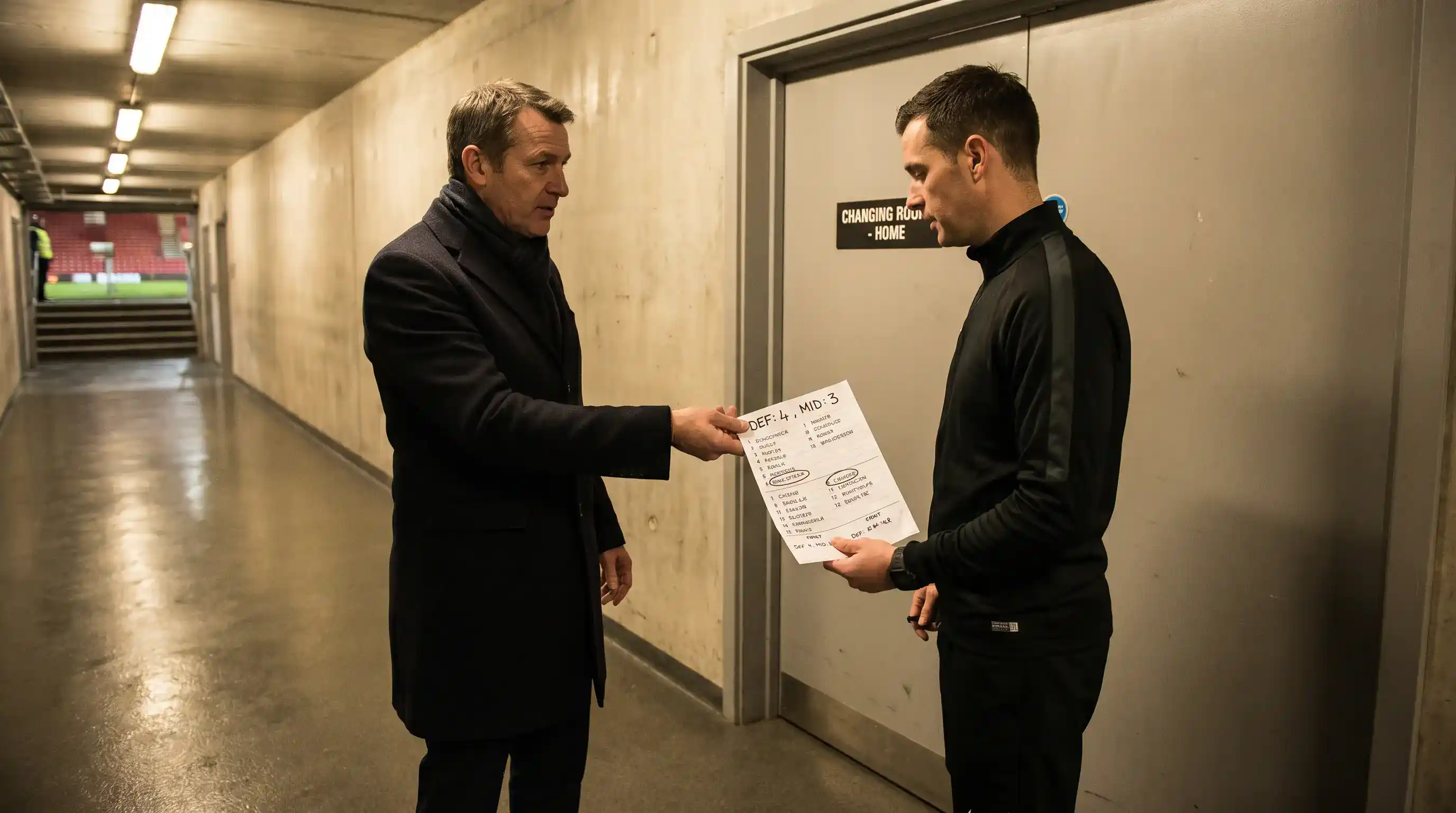
Saturday morning, FA Cup third round, eight years ago. I was looking at a Premier League side priced 1/4 to win away at a League One club. The same side, in a league fixture against equivalent opposition, would have been 1/6 or shorter. That 1/4 wasn’t generous — it was the bookmaker pricing in the cup-specific risk that Premier League managers routinely make six changes at this stage of the competition.

That morning was when I stopped treating the FA Cup as “just another football match with a different name on the trophy” and started treating it as a structurally different betting product. Cup ties don’t price the same way league ties do. They shouldn’t. And the punters who notice the difference are the ones still in profit when the third round finishes.
Why FA Cup prices look generous and rarely are
The first thing to understand about FA Cup pricing is that bookmakers know exactly what you know about rotation. They know Premier League managers will rest first-choice keepers, rotate full-backs, and start academy graduates in the holding midfield role. They build that knowledge into the price.
So when you see a Premier League side at 1/2 against a Championship side that the same Premier League side would beat at 2/9 in a league match, the operator isn’t being charitable. It’s pricing in roughly 35-40% reduced lineup quality on the Premier League side. The “value” is illusory unless you’ve separately judged that this particular manager won’t rotate.
The same logic runs through every round. Higher-division sides become shorter as you approach the final because rotation drops off — by the quarter-finals, top managers are picking close to full-strength teams. By the semi-finals, Wembley itself becomes a motivating factor and rotation is minimal. Prices reflect that progression. The 1/2 in the third round becomes 1/3 in the fifth round becomes 4/9 in the semis, even against opposition of similar quality.
The lower-league giant-killers and how they’re priced
There’s a romantic notion that bookmakers consistently mis-price lower-league sides in the FA Cup because shock results happen. That notion is wrong. Operators have been pricing FA Cup ties for over a century and they’ve built every shock result into the model.

What’s actually true is that the long-tail outcomes — League Two side beats Premier League side in 90 minutes — are priced at fat overrounds because retail flow on lower-league sides is concentrated and uneven. You’ll see prices like 10/1 for a League Two home win where the implied probability suggests something closer to 8.5%, but the true probability sits closer to 9-10%. The price reflects bookmaker margin protection on a thin market, not a deep view that the favourite is more likely to win than they actually are.
Where genuine value occasionally appears in third-round ties is the draw line. When a Premier League side at 1/2 visits a Championship side at 4/1, the draw will typically be 10/3 or 3/1. Two-thirds of the price on the underdog plus a piece of the draw is often closer to fair than either outright outcome priced alone — which is why Asian handicap and half-ball lines come into their own in cup ties, neutralising the rotation uncertainty that makes the 1X2 market so spread out.
How replays and extra time change the proposition
The FA Cup retained replays for early rounds through the 2025/26 season but eliminated them from the fourth round onwards. That structural change matters for how 90-minute markets price. When a fixture goes to a replay, the bookmaker pays out 90-minute bets on the draw and the new tie prices fresh. When extra time and penalties replace a replay, the bookmaker pays out only on 90-minute outcomes and the rest is settled by the “to qualify” market.
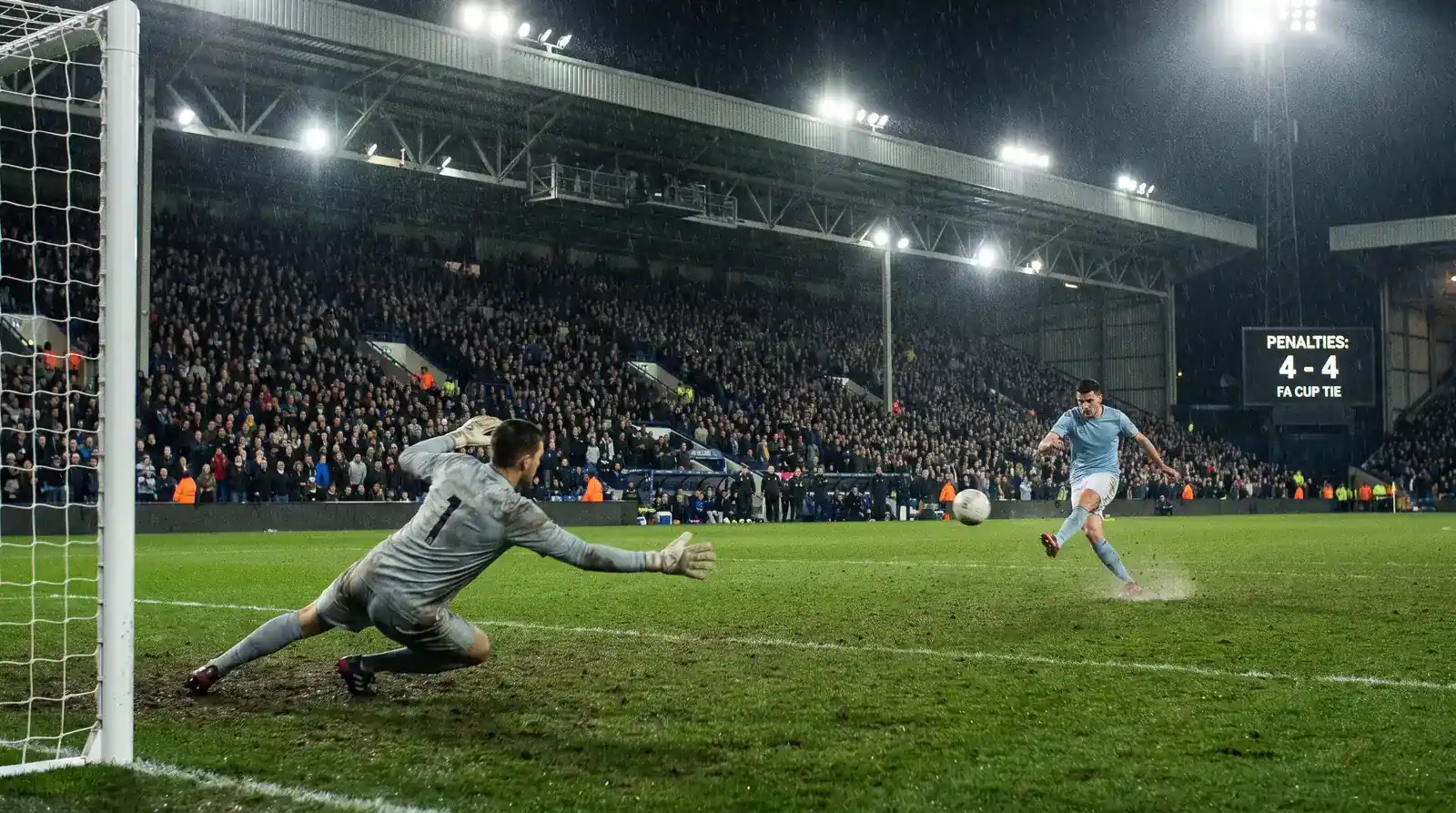
The “to qualify” market — sometimes called “to advance” or “to progress” — is one of the cleaner FA Cup propositions. It rolls in extra time and penalties, so a Premier League side at 1/3 to qualify against a Championship opponent isn’t being priced on the 90-minute coin flip. It’s being priced on the full tie. That price is usually about 10-15% shorter than the 90-minute outright because extra time strongly favours the higher-division side.
I steer punters towards “to qualify” rather than 90-minute outright in any cup tie I think will be close. The price compression is small, the certainty of the proposition is much higher, and there’s no painful “we won in extra time but I bet 90 minutes” loss.
Outright FA Cup winner — the season-long market
The outright FA Cup winner market opens before the first round proper and stays live until the final. Prices reflect both the strength of the field and the draw, which makes it one of the few outright football markets where the price genuinely shifts on event news rather than just match results.
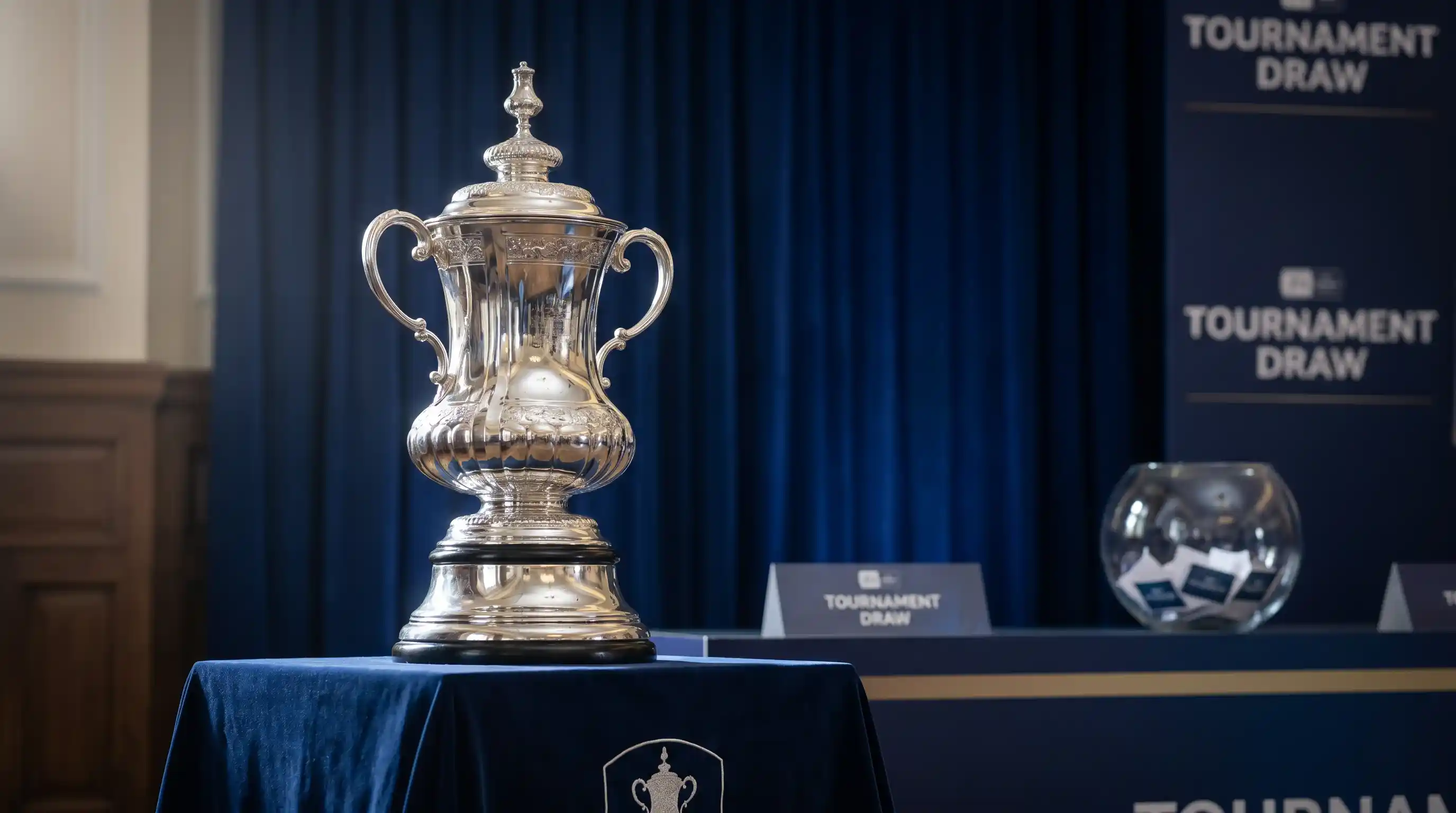
When the third-round draw is made, a Premier League favourite drawn at home to a National League side will see their outright price shorten meaningfully — sometimes from 6/1 to 9/2. The same favourite drawn away at another Premier League side will drift, sometimes from 6/1 to 8/1. The draw is the news, not just the tie itself.
For UK football GGY that totalled £1.3bn last year, a meaningful share comes from outright cup markets where punters return to top up the same wager across multiple rounds. That repeat-engagement pattern is what makes outright FA Cup pricing tight at the top of the market — bookmakers know punters compare prices once at the season’s start and rarely re-shop later. The top three or four contenders are typically priced within 0.5% of each other across major UK operators. The mid-tier — sides priced 14/1 to 33/1 — is where the price dispersion appears.
Match betting tactics for the FA Cup final at Wembley
The final itself is a market unlike any other in the cup. Both teams have rested fringe players for three weeks. Both managers have selected close to full-strength. The Wembley pitch is enormous and tends to suit possession-based football. And the bookmaker margin tightens because the final attracts genuine price-shopping at scale — UK gambling reported 24.4M active accounts across the licensed market, and a noticeable share of those accounts come back specifically for FA Cup final weekend.
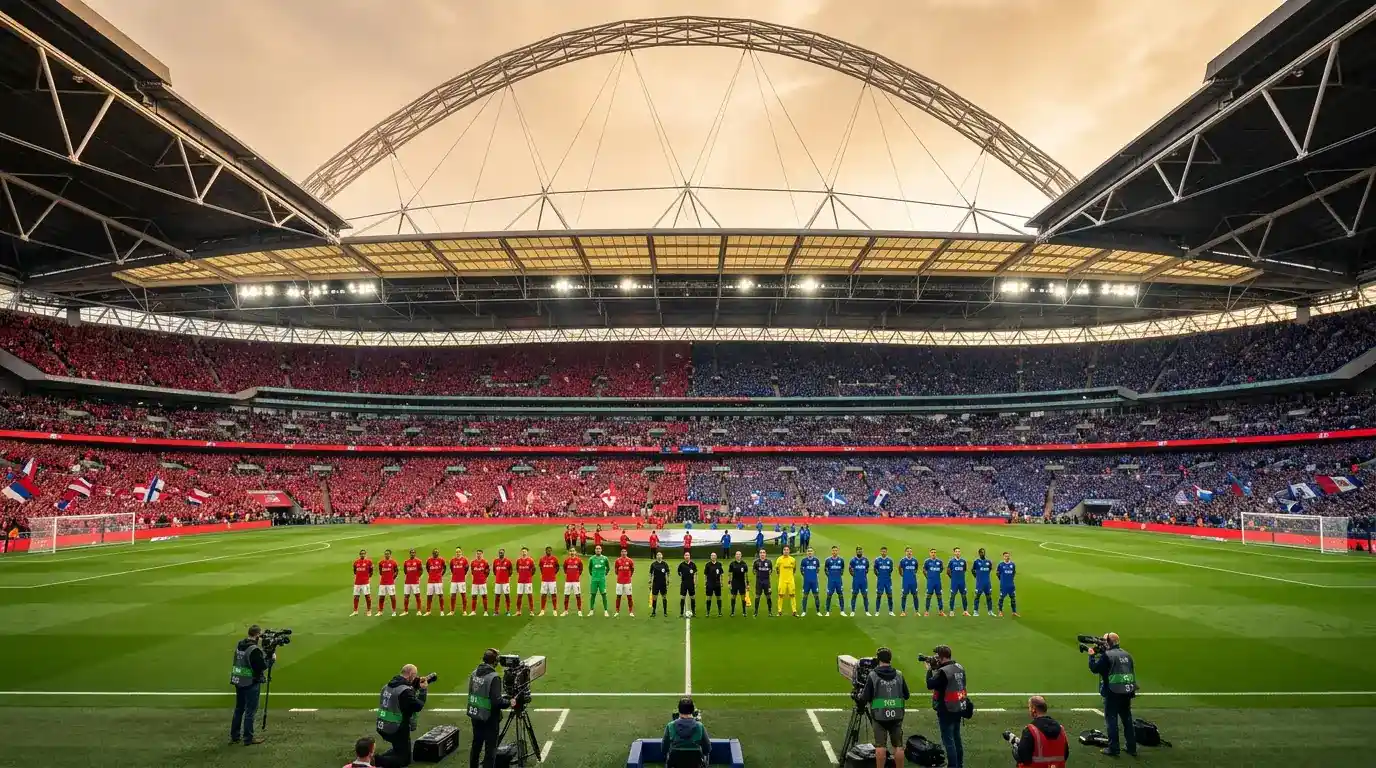
The price compression on the final means the 1X2 overround usually sits around 103-104% at top operators, compared to 105-106% on a regular Premier League tie. That’s a meaningful difference if you’re betting the favourite outright. The total goals line, however, stays at the usual 105% overround because retail flow on goals markets is more dispersed and operators don’t compress those margins as aggressively.
I look at three things specifically for the final: the goalscorer market for set-piece specialists (corners and free-kicks become disproportionately influential in tight finals), the half-time draw (1.5/1 to 5/2 in tactically cagey finals is structurally undervalued), and the “to score and win” double on the favourite striker when the favourite is short.
What the cup teaches the league punter
The FA Cup is a useful corrective for anyone who’s been betting league football for a season. Rotation, fixture congestion, motivational asymmetry, and pitch quality at lower-division grounds all become visible in a way they aren’t in the Premier League’s tightly-managed weekly rhythm.
Punters who develop sharper instincts on these factors in the cup tend to apply them to fringe Premier League fixtures too — the Boxing Day rounds, the Europa League weekend, the international break returns. The cup is the training ground for paying attention to factors beyond the table. Treat it that way and you’ll come out the other side a better football bettor across every market the season offers.
Why are FA Cup prices so much longer than league prices for the same team?
Rotation. Premier League managers routinely make five to seven changes in early FA Cup rounds, and the bookmaker prices that lineup uncertainty into the favourite"s price. The price isn"t generous — it"s reflecting a structurally weaker version of the favourite team.
Is the "to qualify" market better value than the 90-minute outright?
In close ties, yes. "To qualify" rolls in extra time and penalties, which strongly favour the higher-division side. The price compression versus the 90-minute outright is usually only 10-15%, which is small payment for removing the "won in extra time but I bet 90 minutes" loss.
When does the outright FA Cup winner price move the most?
The third-round draw, by some distance. The fixture pairings can shift a Premier League favourite from 6/1 to 9/2 (favourable draw) or 6/1 to 8/1 (away at another top side). After that, prices move steadily round by round with results, but draws still produce sharper one-day shifts than match outcomes.
This material was created by the Pitchledger team.
